
How to Check Your Car for Recalls: A Guide for Bronx Drivers
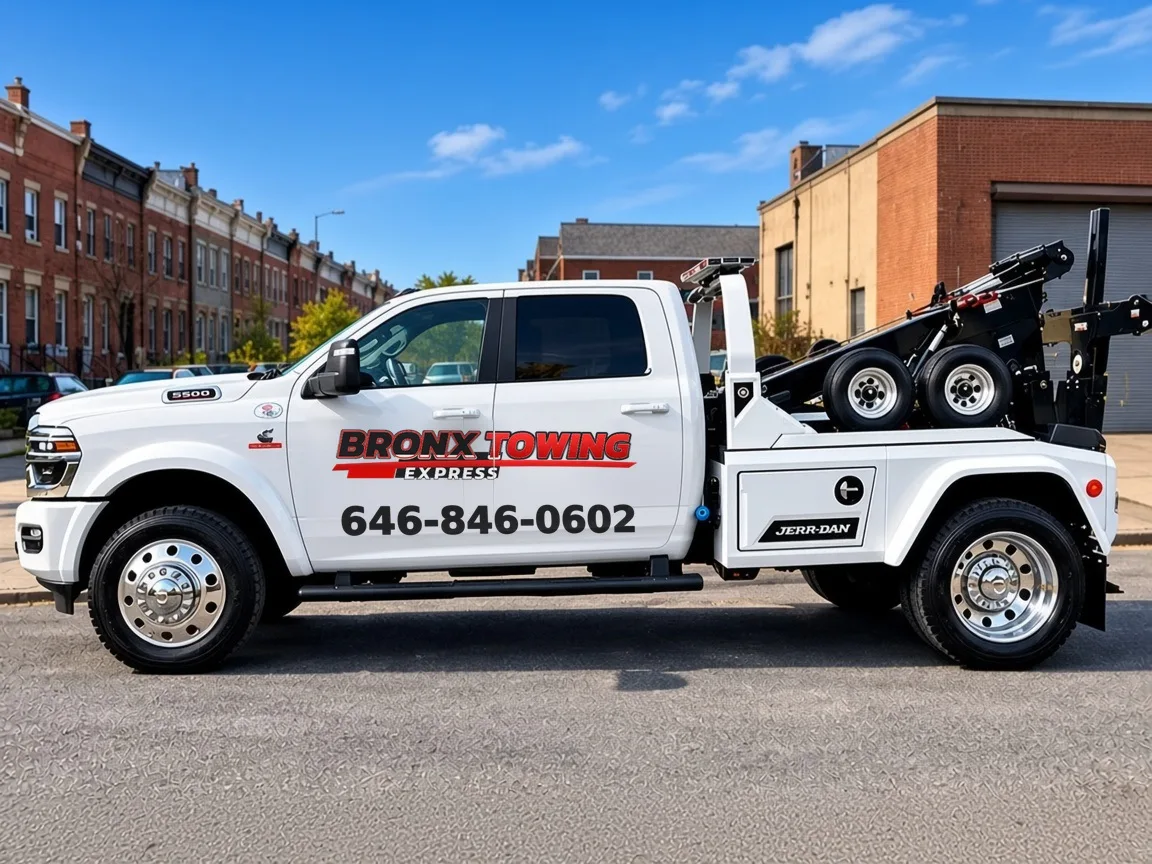
Most drivers in the Bronx never think about recalls until a letter shows up in the mail, or until something goes wrong on the Bruckner or the Cross Bronx. A safety recall means a manufacturer or the federal government found a defect that creates an unreasonable safety risk, and the fix is supposed to be made at no cost to you. The trick is knowing whether your car has an open recall in the first place. This guide shows Bronx and NYC drivers how to check for recalls in a few minutes, what to do if your car is on the list, and how to get it to the dealer if it shouldn't be driven.
Bronx Towing Express has helped drivers across the Bronx and NYC since 2010, 24/7. Everything below comes from the National Highway Traffic Safety Administration (NHTSA), with links so you can check the details yourself.
What a Vehicle Recall Actually Means
According to NHTSA's recall page, a recall is issued when a manufacturer or NHTSA determines that a vehicle, piece of equipment, car seat, or tire creates an unreasonable safety risk or fails to meet minimum safety standards. NHTSA notes that most recalls are started voluntarily by the manufacturer before the agency gets involved.
Once a recall is issued, the manufacturer has to fix the problem by repairing it, replacing it, offering a refund, or in rare cases buying the vehicle back. NHTSA says owners should contact their local dealership to have the recalled part fixed for free.
Step 1: Find Your VIN
Every vehicle has a unique 17-character Vehicle Identification Number (VIN). NHTSA says you can usually find it:
- On the lower left corner of the windshield, visible from outside the car
- On your vehicle registration card
- Sometimes on your insurance card
Snap a photo of it with your phone so you have it handy the next time you need it.
Step 2: Search NHTSA's Recall Lookup Tool
Go to NHTSA.gov/recalls and enter your VIN or license plate. NHTSA says a VIN or plate search shows whether that specific vehicle has an unrepaired safety recall from the manufacturer. If it's clear, you'll see the message "0 unrepaired recalls associated with this VIN."
You can also search by year, make, and model, but that gives general results for that model, not your exact car.
A few things the VIN search won't show, according to NHTSA:
- Recalls that were already repaired on your car
- Some very new recalls where not every VIN has been added yet
- Recalls more than 15 years old, unless the manufacturer offers longer coverage
- Recalls from some small manufacturers
- Non-safety service campaigns
Because new VINs are added all the time, NHTSA recommends checking for recalls at least twice a year. A good habit for Bronx drivers: check once in the fall before winter driving and once in the spring.
Step 3: Sign Up for Recall Alerts
If your car is recalled, the manufacturer is supposed to mail you a notice. NHTSA says manufacturers notify registered owners by first-class mail within 60 days of telling NHTSA about a recall. That only works if your registration has your current address, so update it with the DMV if you've moved.
As a backup, NHTSA lets you sign up for recall alerts. That's especially useful if you bought your car used, since the previous owner may have received the letters.
Step 4: If Your Car Has an Open Recall
If the search shows an open recall:
- Read the recall details. The lookup explains the problem, the safety risk, and the fix.
- Follow any interim safety guidance. Some recalls come with instructions, such as not letting anyone sit in the front passenger seat until the repair is done.
- Call a dealer for your brand. Schedule the recall repair. Ask whether parts are available, how long the repair takes, and whether they can offer a loaner. NHTSA notes that dealers aren't required to give you a loaner, but it's worth asking.
- Keep the paperwork. Save the repair order showing the recall work was completed.
If a dealer refuses to do the recall repair as described in the letter, NHTSA says to notify the manufacturer right away. You can also file a complaint with NHTSA at NHTSA.gov/recalls or by calling the NHTSA hotline at 888-327-4236.
"Do Not Drive" Recalls: When Your Car Should Be Towed
Some recalls are so serious that the manufacturer tells owners not to drive the vehicle at all until it's fixed. The best-known example is the Takata air bag recall. According to NHTSA's Takata recall page, tens of millions of vehicles with Takata air bags are under recall because long-term exposure to heat and humidity can cause the air bags to explode when they deploy, and "Do Not Drive" warnings have been issued for certain higher-risk vehicles.
If your car has a "Do Not Drive" warning, take it seriously. Don't drive it to the dealer, to work, or "just around the block." Contact the manufacturer or dealer first, since NHTSA notes some manufacturers provide towing for affected owners. If you need to arrange your own tow to the dealership, a flatbed tow keeps all four wheels off the road and is a safe way to move the car.
NHTSA also warns against asking a dealer to disable a recalled air bag while you wait for the repair. An air bag that is purposely disabled won't protect you at all in a crash.
Recalls on Tires and Car Seats Too
Recalls aren't just for cars. NHTSA's lookup also covers tires, car seats, and other equipment. If you've had a flat tire or replaced your tires recently, it's worth checking the tire brand and model. Parents should register car seats with the manufacturer so they get notified directly.
Why This Matters for Bronx Drivers
Bronx driving puts real wear on a car: stop-and-go traffic, potholes, tight parking, and highways like the Bruckner Expressway, the Cross Bronx, and the Major Deegan. A recalled part that fails at the wrong moment can leave you stranded in traffic or worse. A five-minute recall check is one of the simplest things you can do to lower that risk, along with basic upkeep like the tips in our winter car prep guide.
If your car does break down, here's what to do when your car breaks down in NYC, and our roadside assistance service can help with jump starts, lockouts, and more.
Quick Recall Checklist
- Find your 17-character VIN on the windshield or registration
- Search it at NHTSA.gov/recalls
- Check again every six months
- Keep your DMV address up to date
- Sign up for NHTSA recall alerts
- Call your dealer to schedule any open recall repair
- If it's a "Do Not Drive" recall, don't drive it. Get it towed
Need a Tow to the Dealer in the Bronx? We're Here 24/7
Bronx Towing Express is based at 1458 Bruckner Blvd, Bronx, NY 10473, and we answer day and night, every day of the year. Whether your car has a "Do Not Drive" recall, won't start, or needs to get to the shop, we can help. See all of our towing and roadside services or check the areas we serve.
Call for a Quote: (646) 846-0602
Text for Pricing: Request a quick quote online and we'll get back to you with pricing for your exact situation.
Need help now? Request service or call (646) 846-0602 any time, 24/7.
Stuck right now?
(646) 846-0602